
How to sleep better after 40
How much sleep adults over 40 need, what to do when you can't fall asleep, how to set a schedule and a bedroom for sleep, what caffeine, alcohol, and naps do, and what research says about melatonin.
Pick a topic to see its guides. Each one is written in plain words and ends with a list of its sources, so you can read them for yourself.
How much sleep adults need, the evening habits that help you fall and stay asleep, and when to talk to a doctor about poor sleep.
How much sleep adults over 40 need, what to do when you can't fall asleep, how to set a schedule and a bedroom for sleep, what caffeine, alcohol, and naps do, and what research says about melatonin.
What tinnitus is, why ringing in the ears often goes with hearing loss or loud noise, and the steps that help you protect the hearing you have.

The common and less common causes of ringing in the ears, the signs that mean you should see a doctor, and the sound therapy, hearing aids, and counseling that help people live with tinnitus.
Common causes of knee pain and back pain after 40, the movement and strength habits that help, and the signs that mean it's time to see a doctor.
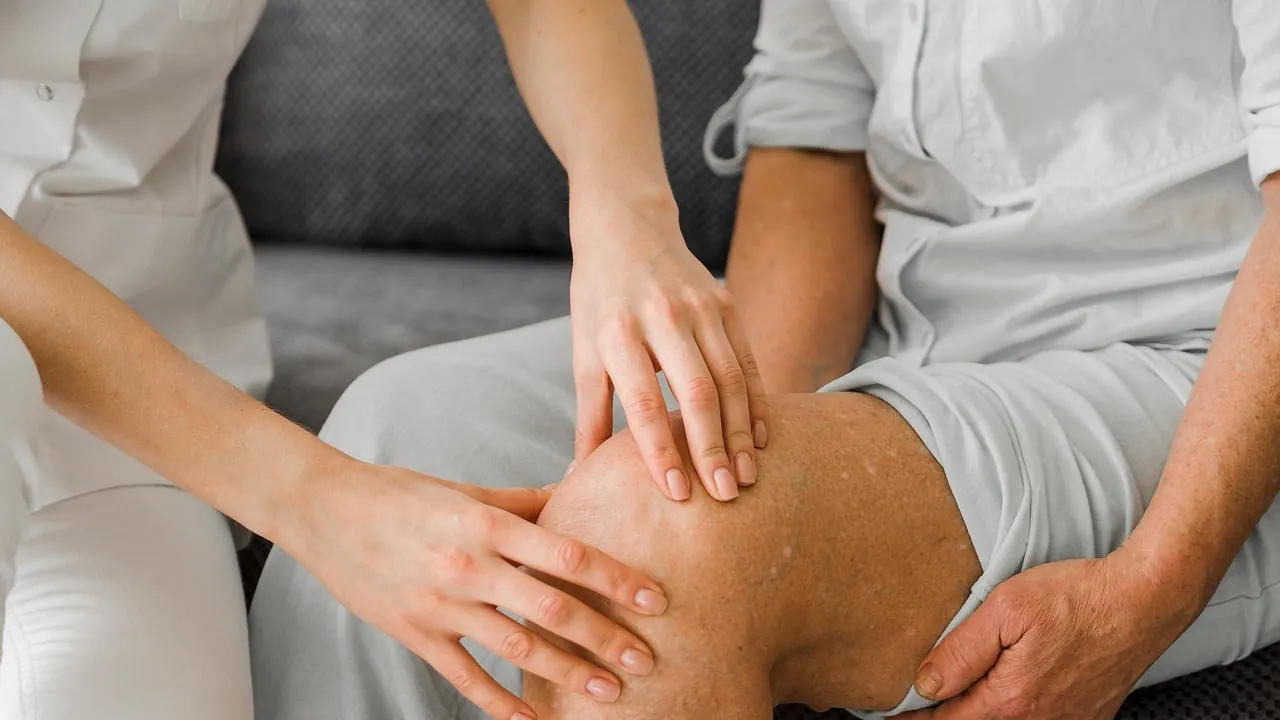
Why knees start to hurt after 40, the home care that eases pain, how exercise and a few pounds of weight loss take pressure off the joint, what research says about glucosamine, and when to see a doctor.
What your blood pressure numbers mean, the daily habits that help bring high blood pressure down, and how to look after your heart health.
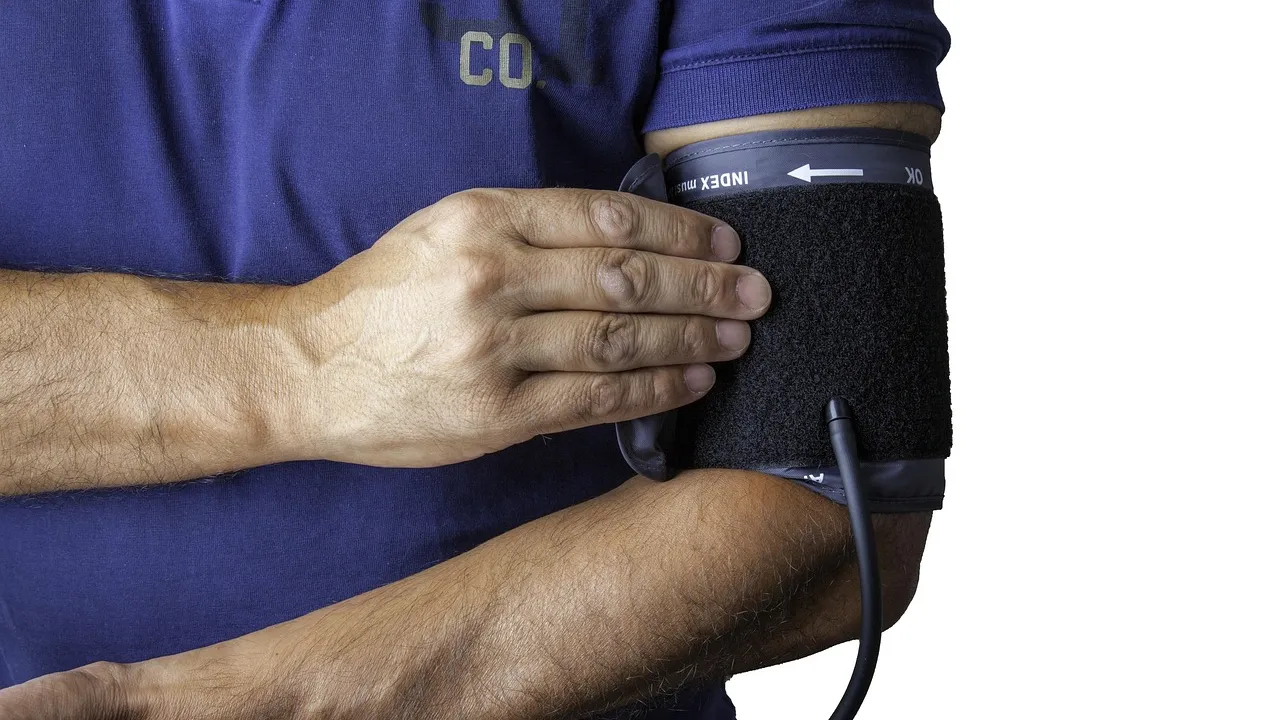
Seven lifestyle steps that research shows can lower blood pressure: the DASH eating plan, less sodium, activity, weight loss, less alcohol, sleep, and checking your numbers at home.
What your blood sugar and A1C numbers mean, why prediabetes can go unnoticed for years, and the meals and habits that help keep your levels steady.

The daily habits that NIH and CDC experts link to healthier blood sugar: food, activity, weight, sleep, stress, and A1C checks, plus the warning signs of levels that are too high or too low.
How the prostate changes with age, the urinary signs of an enlarged prostate, and the questions to bring to your doctor.

What benign prostatic hyperplasia (BPH) is, the urinary signs to watch for, how it differs from prostate cancer, the home habits that can ease mild symptoms, and when to call a doctor.
Which kinds of forgetfulness come with normal aging, which signs of memory loss need a doctor's visit, and the daily habits that support brain health.

What forgetfulness is normal with age, which signs of memory loss need a doctor, and the habits NIA and CDC link to a healthier brain: sleep, blood pressure, activity, hearing, and staying social.
How your digestive system works, the foods and habits that support gut health, and the warning signs that mean you should call your doctor.
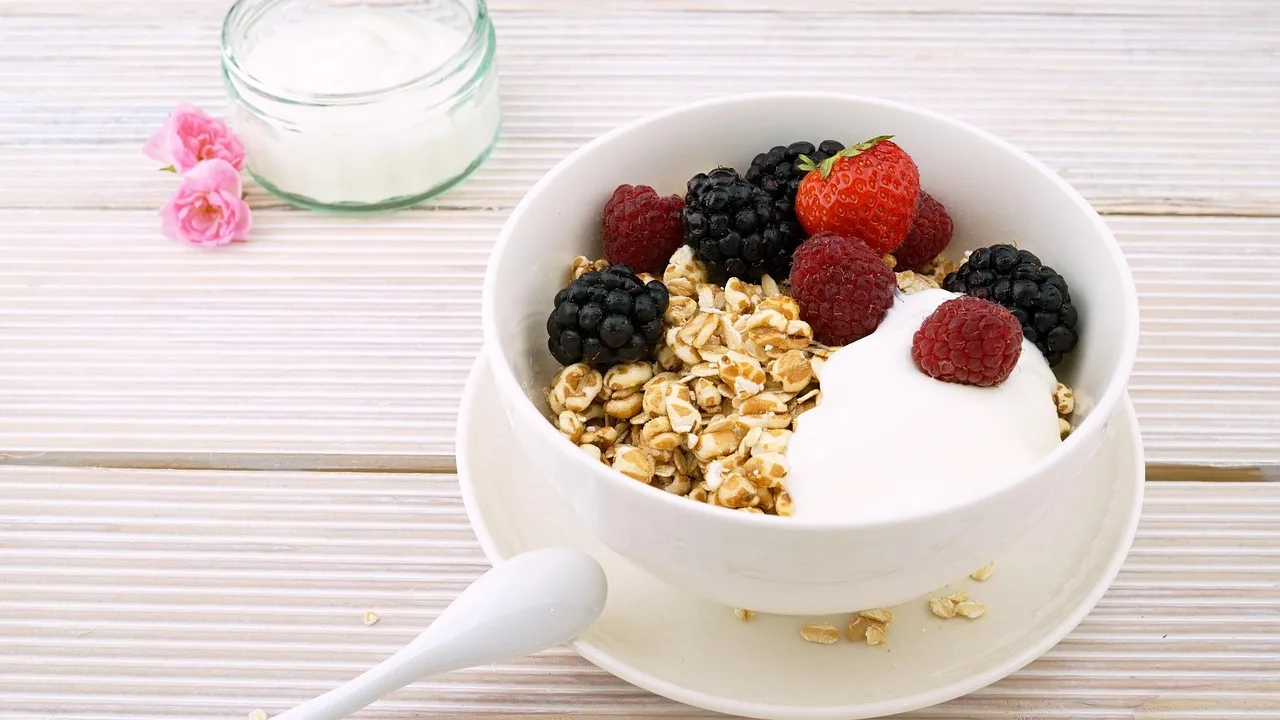
Simple, research-based steps for better digestion: fiber and how to add it, fluids, fermented foods, what science says about probiotics and the gut microbiome, activity, and signs to see a doctor.
The early signs of gum disease, the habits that raise your risk, and the daily care that keeps your teeth and gums in good shape.
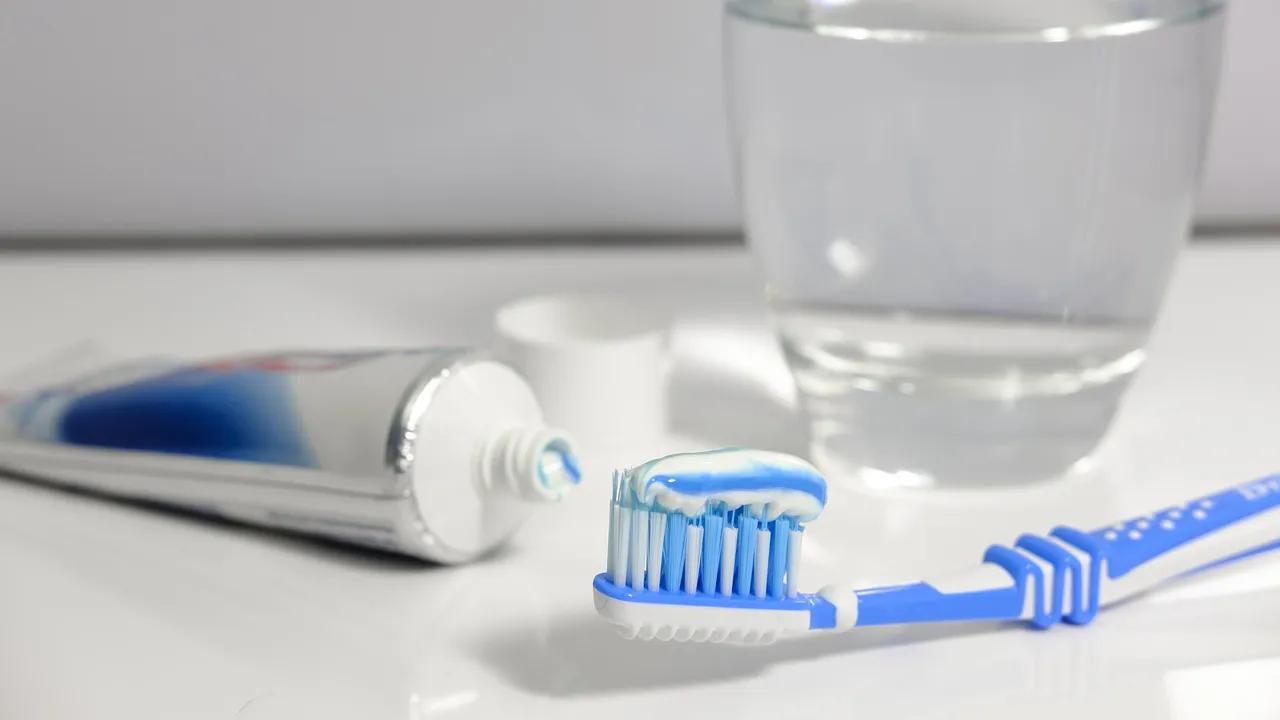
How to spot gum disease symptoms early, how gingivitis differs from periodontitis, why smoking and diabetes raise your risk, the daily care that helps, and when to see a dentist.
What healthy nails look like, how toenail fungus and other nail problems show up, and simple daily care for your skin, hair, and nails.
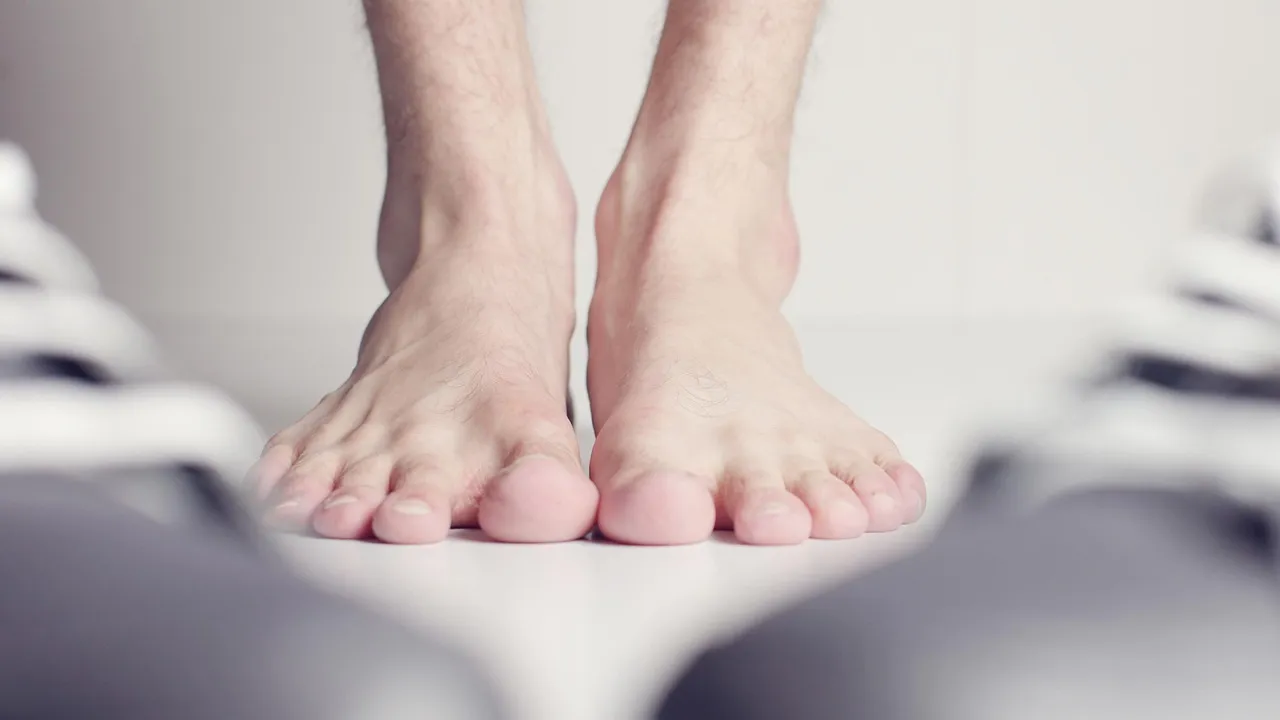
What toenail fungus looks like, who is most likely to get it, why a doctor should test the nail first, how long treatment takes, simple habits that lower your risk, and when to see a doctor.
A guide answers one question, such as how to sleep better or how to lower your blood pressure. Our facts come from public health bodies like the NIH and the CDC, from MedlinePlus, and from studies listed on PubMed. Each guide shows the date it was published, and we update it when the facts change.
Our editorial policy explains the process. To put numbers on your own health, try our free calculators.