Gum disease symptoms: the early signs to watch for
How to spot gum disease symptoms early, how gingivitis differs from periodontitis, why smoking and diabetes raise your risk, the daily care that helps, and when to see a dentist.
On this page
Gum disease symptoms are easy to brush off: a little pink in the sink after you brush, gums that look a bit puffy, a tooth that’s sensitive. The CDC warns that gum disease often becomes serious before you notice any symptoms at all, so the small signs count.
It’s also common. About 4 in 10 US adults aged 30 and older had some level of periodontitis, the serious form of gum disease, in 2009 to 2014, according to the CDC. Among adults 65 and older, the figure was about 60%. This guide explains what to look for, who is most at risk, what daily care does, and when it’s time to call your dentist.
What is gum disease?
Gum disease is an infection that causes inflammation of the tissues that hold your teeth in place, says the National Institute of Dental and Craniofacial Research (NIDCR), part of the NIH. It usually starts with plaque, the sticky film of bacteria that builds up on your teeth when brushing and flossing fall short.
Plaque that stays on your teeth hardens into tartar (also called calculus). You can’t brush or floss tartar away. Only a dental professional can remove it. If the infection goes on, it can spread to the bone that supports your teeth.
Gingivitis versus periodontitis
Gum disease has two main stages, and only the first can be reversed.
Gingivitis is the early, mild stage. Your gums turn red and swollen and may bleed easily, MedlinePlus explains. NIDCR notes that gum inflammation from plaque can start within about 24 hours, though this varies from person to person. Gingivitis is preventable and reversible with brushing and flossing, according to NIDCR. MedlinePlus adds regular cleanings by a dentist or dental hygienist.
Periodontitis is the advanced stage. Here, the gums pull away from the teeth and form pockets that become infected, MedlinePlus says. If it isn’t treated, the bone, gums, and connective tissue that support your teeth break down, and in the worst cases you can lose teeth. NIDCR says periodontitis can take months or years to develop.
The CDC says gingivitis can be reversed and periodontitis can’t. Periodontitis can still be slowed and managed with professional treatment, so it’s worth catching early.
| Gingivitis | Periodontitis | |
|---|---|---|
| Stage | Early and mild | Advanced |
| What you may see | Red, swollen gums that bleed easily | Gums that pull away from the teeth and form infected pockets |
| Can it be reversed? | Yes, with brushing, flossing, and dental cleanings | No, but treatment can slow and manage it |
| What’s at stake | Gum health | The bone and tissue that hold your teeth, and the teeth themselves |
Gum disease symptoms to watch for
The CDC and NIDCR list these signs of gum disease:
- Gums that are red, swollen, or tender
- Gums that bleed easily, for example when you brush or floss
- Gums that pull back from your teeth, which can make your teeth look longer
- Teeth that feel loose or sensitive
- Pain when you chew
- Bad breath that doesn’t go away
- A change in the way your teeth fit together when you bite
- A change in the way a partial denture fits
NIDCR says gum disease starts with swollen, red gums that bleed, so blood in the sink after brushing deserves a closer look.
Because gum disease can get serious before you notice it, the CDC recommends a dental checkup every year even when nothing hurts. A dentist can spot early changes, and MedlinePlus notes that checking for gum disease involves a dental exam and may include dental X-rays.
Who is most at risk for gum disease?
Anyone can get gum disease, but some things raise your risk.
Smoking. Smoking or any tobacco use is the most significant risk factor, according to NIDCR. It can also make treatment less successful. The CDC reports that about 62% of current smokers had periodontitis in 2009 to 2014.
Diabetes. About 60% of people with diabetes had periodontitis in the same CDC data. High blood sugar can weaken white blood cells, your body’s main defense against infections in the mouth, the CDC explains. Gum disease can be more severe and heal more slowly when you have diabetes. Gum disease can also make diabetes harder to manage, and treating it may help lower blood sugar over time. If you’re keeping an eye on your blood sugar, our A1C calculator shows what an A1C result means as an average blood sugar.
Age and sex. Older age is a risk factor, NIDCR says, and gum disease is more common and more severe in men. The CDC found periodontitis in about 1 in 2 men and 1 in 3 women aged 30 and older.
Other factors. The CDC and NIDCR also list:
- Poor brushing and flossing habits
- Some medicines that affect the mouth
- Stress
- Genetics
- Crooked teeth, or grinding and clenching your teeth
- Hormone changes, such as during pregnancy or menopause
- Some illnesses, such as rheumatoid arthritis, heart disease, and obesity
- Poor nutrition
Daily care for your teeth and gums
NIDCR and the CDC recommend four daily and yearly habits to help prevent gum disease:
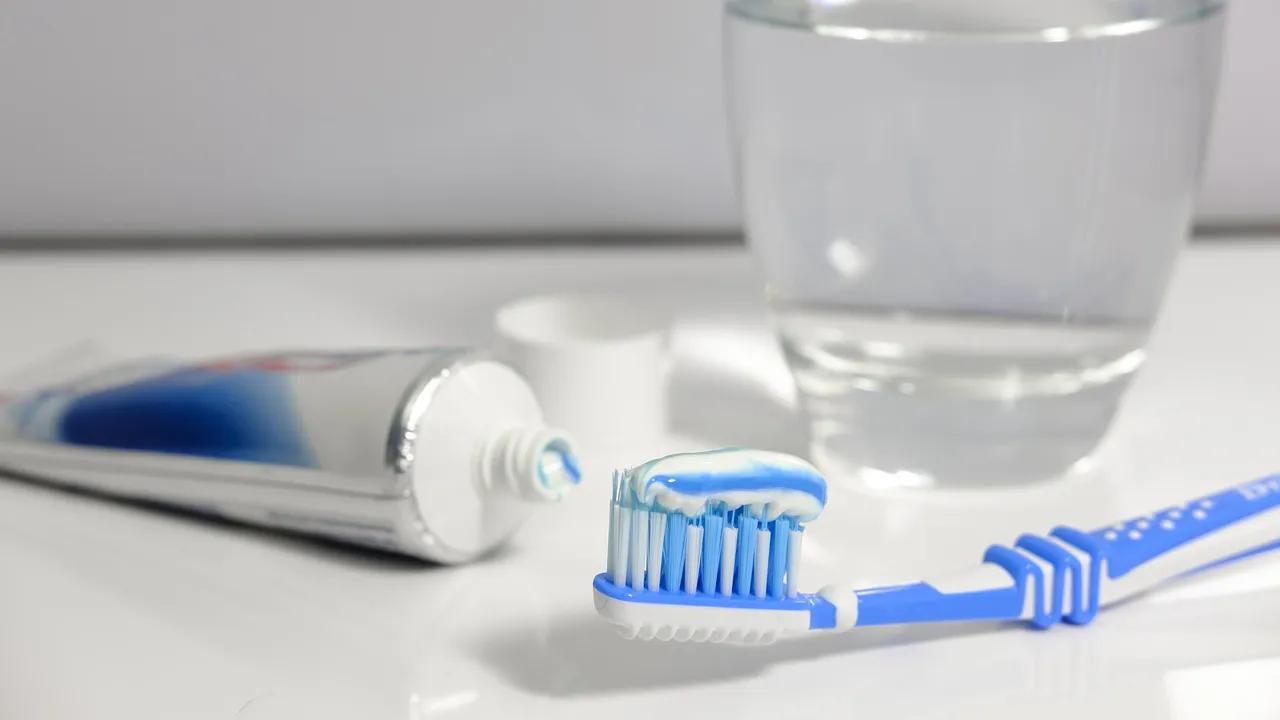
- Brush twice a day with fluoride toothpaste.
- Floss every day. If floss is hard for you, NIDCR suggests asking your dentist about an interdental brush, a wooden or plastic pick, or a water flosser.
- Get regular checkups and professional cleanings. The CDC advises a dental checkup at least once a year, or more often if your dentist says so.
- Quit all forms of tobacco. NIDCR lists quitting as a key step, and the CDC adds that smoking can make diabetes worse.
Flossing technique makes a difference. In an NIDCR interview, an expert suggests using at least 18 inches of floss and sliding it between your teeth with a gentle sawing motion instead of snapping it down. A floss threader can help where teeth sit tightly together. Plaque can also form on dentures, implants, and crowns, so clean them too. And if you miss a day of flossing now and then, the same expert says that isn’t considered harmful. Sticking to a steady routine helps, the expert adds.
If you have diabetes, the CDC adds a few steps: tell your dentist you have diabetes, ask how often you should come in, and keep up with your diabetes care schedule.
How dentists treat gum disease
The main goal of treatment is to control the infection, according to NIDCR. Early gum disease can often be reversed with good care at home. For periodontitis, the CDC and NIDCR describe these options:
- Scaling and root planing. This is a deep cleaning of the affected tooth and root surfaces. It doesn’t involve surgery.
- Prescription medicine. Your dentist may prescribe a medicated mouth rinse or place medicine under the gums.
- Surgery. Advanced cases may need gum surgery. The CDC notes that severe cases may be referred to a periodontist, a dentist who specializes in the gums.
Every treatment also needs good daily care at home, NIDCR says. Your dentist may also suggest changes such as quitting tobacco.
When to see a dentist
See a dentist if you notice any of the gum disease symptoms above, the CDC advises. Don’t wait for pain. In particular, call if:
- Your gums bleed when you brush or floss
- Your gums are red, swollen, or tender
- Your gums seem to be pulling back from your teeth
- A tooth feels loose, or your bite feels different
- Bad breath won’t go away
Book a checkup at least once a year even if you feel fine, because gum disease can progress without clear symptoms. People with diabetes should see a dentist if their gums are red, swollen, or bleeding, the CDC says.
If cost is a worry, the CDC points out that dental and dental hygiene schools often run clinics where the fee depends on what you can pay.
For more on caring for your mouth, browse our teeth and gums guides, or try our free health calculators.
This guide is general information, not medical advice. Talk to your doctor before you change your diet, your exercise, or your medicines. Read how we write and check our guides in our editorial policy.
Sources
- About Periodontal (Gum) Disease, Centers for Disease Control and Prevention (CDC)
- Periodontal (Gum) Disease, National Institute of Dental and Craniofacial Research (NIDCR), NIH
- Ask the Expert: Do I Really Need to Floss?, National Institute of Dental and Craniofacial Research (NIDCR), NIH
- Gum Disease, MedlinePlus, National Library of Medicine
- Oral Health and Diabetes, Centers for Disease Control and Prevention (CDC)