How to improve gut health
Simple, research-based steps for better digestion: fiber and how to add it, fluids, fermented foods, what science says about probiotics and the gut microbiome, activity, and signs to see a doctor.
On this page
If you’re wondering how to improve gut health, start with the steps that have the most support: eat more fiber, add it slowly, drink enough fluids, move every day, and give your body a regular bathroom routine. Probiotics and the gut microbiome get a lot of attention, and we cover what the research does and doesn’t show. We also list the symptoms that call for a doctor rather than a diet change.
Most of these steps are cheap, and you can start with your next meal.
What your gut does all day
Your digestive tract is a long, twisting tube of hollow organs. It runs from your mouth to your anus, the National Institute of Diabetes and Digestive and Kidney Diseases (NIDDK) explains. Your liver, pancreas, and gallbladder add digestive juices along the way. Together they break food into parts small enough to absorb: proteins into amino acids, fats into fatty acids and glycerol, and carbohydrates into simple sugars.
Your small intestine absorbs most of the nutrients. Your large intestine absorbs water and turns what’s left into stool. Bacteria help at several stages. NIDDK says bacteria in the large intestine break down remaining nutrients and make vitamin K, and bacteria in the small intestine make some of the enzymes you need to digest carbohydrates.
What we know about the gut microbiome
The gut microbiome is the community of microbes living in your digestive tract. The Harvard Nutrition Source describes it as trillions of microorganisms from thousands of species, including bacteria, fungi, and viruses, with the largest numbers in the small and large intestines. Each person’s mix is different.
According to the Harvard Nutrition Source, these microbes:
- Stimulate the immune system
- Break down some potentially toxic food compounds
- Make certain vitamins, including B vitamins and vitamin K
- Ferment fiber your body can’t digest, producing short-chain fatty acids your body can use
Genes, environment, medicines, and diet all shape which microbes live in your colon. Illness, certain diets, or long use of antibiotics can upset the balance. The Harvard Nutrition Source adds that the mix can shift day to day and month to month with diet, medicine, and exercise.
The same source says scientists are still in the early stages of understanding the microbiome’s role in health.
Eat more fiber, but add it slowly
Fiber is the most practical way to feed your gut. The Harvard Nutrition Source says adults need at least 25 to 35 grams a day, but most Americans get only about 15. NIDDK, drawing on the Dietary Guidelines for Americans, puts the adult target at 22 to 34 grams a day, depending on age and sex. It also notes that older adults sometimes don’t get enough because they lose interest in food.
There are two main kinds, and you want both:
- Soluble fiber dissolves in water. It’s in oatmeal, chia seeds, nuts, beans, lentils, apples, and blueberries. Harvard says it can help lower glucose and blood cholesterol (our blood sugar guides cover the glucose side).
- Insoluble fiber doesn’t dissolve. It’s in whole wheat (especially wheat bran), quinoa, brown rice, legumes, leafy greens, almonds, walnuts, seeds, and fruit with edible skins. It helps food move through your digestive system.
Some fibers act as prebiotics, meaning food for your helpful gut bacteria. The Harvard Nutrition Source lists garlic, onions, leeks, asparagus, bananas, and seaweed as good sources, along with fruits, vegetables, beans, and whole grains such as oats and barley.
Go slowly. Both Harvard and NIDDK advise adding fiber a little at a time. A sudden big increase can cause gas, bloating, and cramping. Easy swaps, from Harvard’s list:
- Trade white rice, bread, and pasta for brown rice and other whole grains.
- Stir 1 to 2 tablespoons of almonds, ground flaxseed, or chia seeds into cereal.
- Add diced vegetables to soups, stir-fries, and casseroles.
- Pick a cereal with a whole grain listed first and 20% or more of the Daily Value for fiber.
Drink enough fluids
Fiber works better with water. NIDDK advises drinking water and other liquids, such as clear soups and naturally sweetened fruit and vegetable juices, to help fiber do its job and make stools softer and easier to pass. Harvard also says drinking more while you eat more fiber can ease bloating and cramping.
There’s no single number that fits everyone. NIDDK suggests asking a health care professional how much to drink based on your size, health, activity level, and where you live.
Fermented foods and probiotics: what’s known and not known
According to the NIH, probiotics look promising for a few uses, but in most cases researchers still don’t know which ones help, how much to take, or who benefits.
Probiotics are live microorganisms meant to have health benefits, the National Center for Complementary and Integrative Health (NCCIH) explains. You’ll find them in yogurt, other fermented foods, and supplements. The most common are bacteria from the Lactobacillus and Bifidobacterium groups.
The Harvard Nutrition Source lists fermented foods that may contain live microbes: kefir, yogurt with live active cultures, pickled vegetables, tempeh, kombucha, kimchi, miso, and sauerkraut. Heat kills them, so pasteurized or heat-treated fermented foods and sourdough bread don’t count.
What NCCIH says we know:
- Probiotics have shown promise for some uses, such as lowering the chance of diarrhea from antibiotics.
- In a 2017 review of 9 studies (778 people), probiotics gave older adults with constipation a small but meaningful benefit.
- For irritable bowel syndrome, a 2018 review of 53 studies found possible benefits for overall symptoms and belly pain, but no firm conclusions.
- In healthy people, probiotics have a long history of apparently safe use. The risk of harm is higher in people with severe illness or a weak immune system.
What NCCIH says we don’t know:
- In most cases, which probiotics help and which don’t
- How much to take, and who is most likely to benefit
- How often side effects happen, since few studies have looked closely at safety
Different strains act differently, NCCIH adds, so a result for one kind of Lactobacillus doesn’t carry over to another. Many probiotics are sold as dietary supplements, which don’t need FDA approval before they’re sold. Some products have been found to contain microbes not listed on the label.
NCCIH advises talking with your health care provider before you take a probiotic supplement, especially if you have health problems. And don’t use one as a reason to put off a visit.
Move more and keep a bathroom routine
NIDDK lists not getting enough physical activity as one cause of constipation and says regular activity may help relieve it. Harvard names regular exercise, together with fiber and water, among the habits that help.
NIDDK also describes “bowel training”: trying to have a bowel movement at the same time each day, for example 15 to 45 minutes after breakfast, because eating helps your colon move stool. Give yourself time, go as soon as you feel the urge, and try resting your feet on a footstool.
Check your medicine cabinet as well. NIDDK says some medicines and supplements can make constipation worse, including iron supplements, antacids that contain aluminum and calcium, diuretics, narcotic pain medicines, and some antidepressants. Don’t stop any of them on your own; ask your doctor about a different dose or option.
Gut symptoms that need a doctor
Fiber, fluids, and movement handle a lot of ordinary gut trouble. Some symptoms need a doctor instead. MedlinePlus advises seeing your doctor if you have:
- Blood in your stool
- Changes in bowel habits
- Severe belly pain
- Weight loss you can’t explain
- Heartburn that antacids don’t relieve
For constipation, NIDDK says to see a doctor if it doesn’t improve with self-care or if you have a family history of colon or rectal cancer. See one right away if constipation comes with rectal bleeding, blood in the stool, constant belly pain, being unable to pass gas, vomiting, fever, lower back pain, or weight loss without trying.
The CDC notes that the U.S. Preventive Services Task Force recommends colorectal cancer screening for adults aged 45 to 75. If you’re in that range and haven’t been screened, ask your doctor which test fits you.
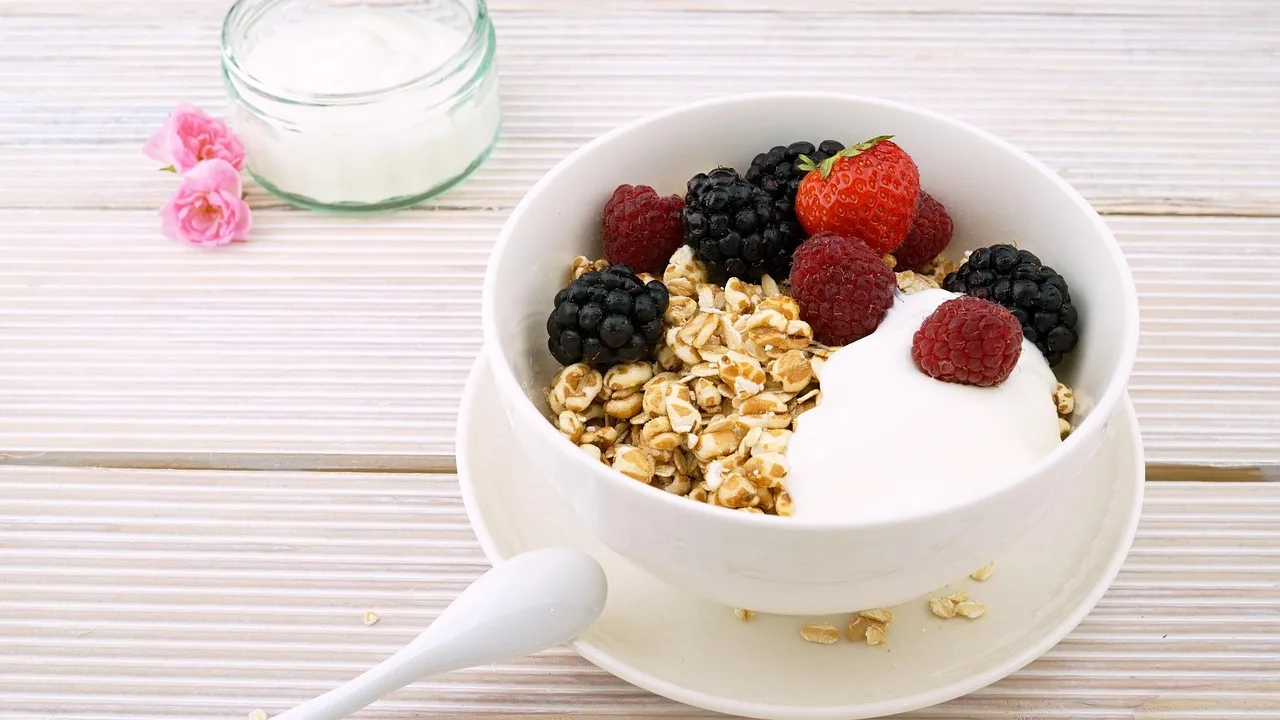
Start this week with one change, such as a bowl of oatmeal with berries or a daily walk after dinner, then add another. For more on digestion and comfort, browse our gut health guides or try our free health calculators.
This guide is general information, not medical advice. Talk to your doctor before you change your diet, your exercise, or your medicines. Read how we write and check our guides in our editorial policy.
Sources
- Your Digestive System & How it Works, National Institute of Diabetes and Digestive and Kidney Diseases (NIDDK), NIH
- Eating, Diet, & Nutrition for Constipation, National Institute of Diabetes and Digestive and Kidney Diseases (NIDDK), NIH
- Treatment for Constipation, National Institute of Diabetes and Digestive and Kidney Diseases (NIDDK), NIH
- Symptoms & Causes of Constipation, National Institute of Diabetes and Digestive and Kidney Diseases (NIDDK), NIH
- Probiotics: Usefulness and Safety, National Center for Complementary and Integrative Health (NCCIH), NIH
- The Microbiome, The Nutrition Source, Harvard T.H. Chan School of Public Health
- Fiber, The Nutrition Source, Harvard T.H. Chan School of Public Health
- Digestive Diseases, MedlinePlus, National Library of Medicine
- Screening for Colorectal Cancer, Centers for Disease Control and Prevention (CDC)